Following Osamu Dazai Through Tsugaru: A Literary Travel Guide
Trace the real places behind Dazai Osamu's memoir Tsugaru — from his family home in Kanagi to the coastal town of Kodomari — with practical travel notes for international visitors.
Most of Tsugaru is Osamu Dazai being restless — a man in his mid-thirties, ducking through hometown greetings and old rivalries, half-writing a travelogue and half-avoiding the reason he came home at all. Then, in the last stretch of the book, he finally rides a bus to the end of a peninsula to find a woman he hasn't seen in decades, and the whole quiet, wandering thing suddenly has a destination. That's the shape of this trip too: three stops that build toward one that matters more than the others put together.
Unlike Dazai's darker, more famous No Longer Human, Tsugaru (1944) is warm and funny for most of its length — which makes the ending land harder. This guide follows roughly the route the book takes, from the mansion he was born into to the coastline where it actually resolves.
Who was Osamu Dazai?
Dazai (1909–1948) was born into a wealthy landowning family in Kanagi, a small town in rural Aomori Prefecture at the northern tip of Japan's main island. He's best known internationally for the far bleaker No Longer Human, but Tsugaru is arguably the better introduction to where he actually came from. A practical note for readers who want to go further: the Japanese original entered the public domain in Japan in 2019, so the source text circulates freely — but the English translation discussed below is a separate, still-copyrighted work, not a public-domain text you're free to redistribute.
Stop 1: Dazai Osamu Kinenkan "Shayokan" (斜陽館), Kanagi
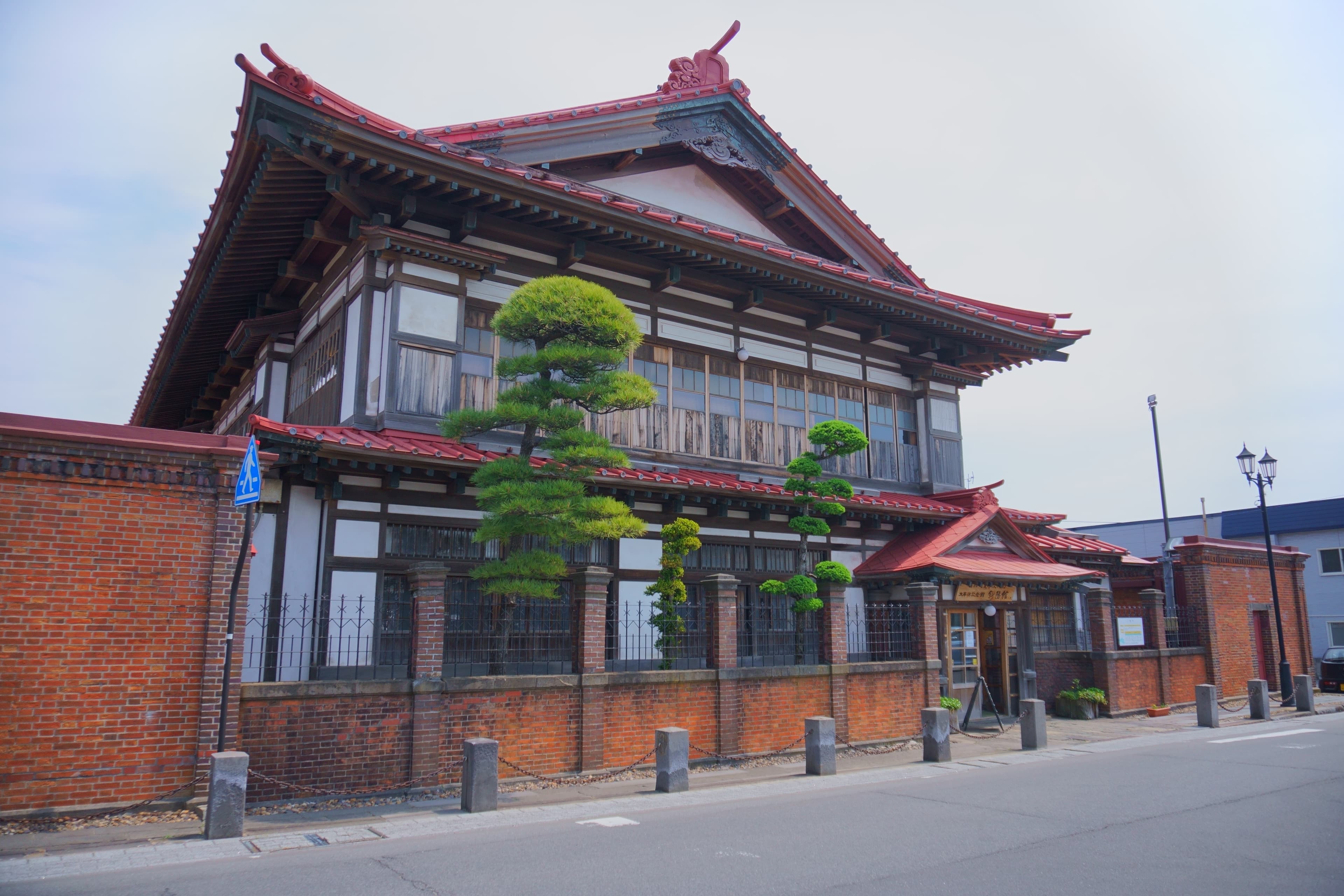
The single most important stop for any Dazai pilgrimage is his childhood home in Kanagi, now preserved as the Dazai Osamu Memorial Hall, known as Shayokan — literally "Villa of the Setting Sun." Sit with that name for a second: decades later, Dazai would write a novel called The Setting Sun (斜陽, Shayō) about an aristocratic family in decline, and the house he grew up in already carried that same word in its name. You're not just looking at a wealthy family's mansion — you're standing in the building that may have handed him the title of one of his other major works before he ever wrote a line of it.
The Tsushima family made their money in sake brewing and land, and it shows: this is an early-20th-century mansion with the manuscripts, personal effects, and period rooms of someone who grew up with far more room to wander than most of his readers ever will. Afterward, don't just leave — Kanagi's old streets, including what remains of the brewing-family townscape Dazai writes about in the book, reward a slow walk more than a quick museum stop does.
- Getting there: From Aomori or Hirosaki, take JR to Goshogawara Station, then transfer to the Tsugaru Railway — a separate private line with its own ticketing and limited departures, not a JR Pass line — for the short ride to Kanagi. The Tsugaru Railway's winter "Stove Train" (December–March), heated by an actual coal stove in a rattling two-car train, is a well-known local attraction in its own right.
- Good to know: Give yourself at least half a day here — Kanagi is small, and the memorial hall is best paired with that slow walk around the town, not rushed to catch a train back.
Stop 2: Goshogawara
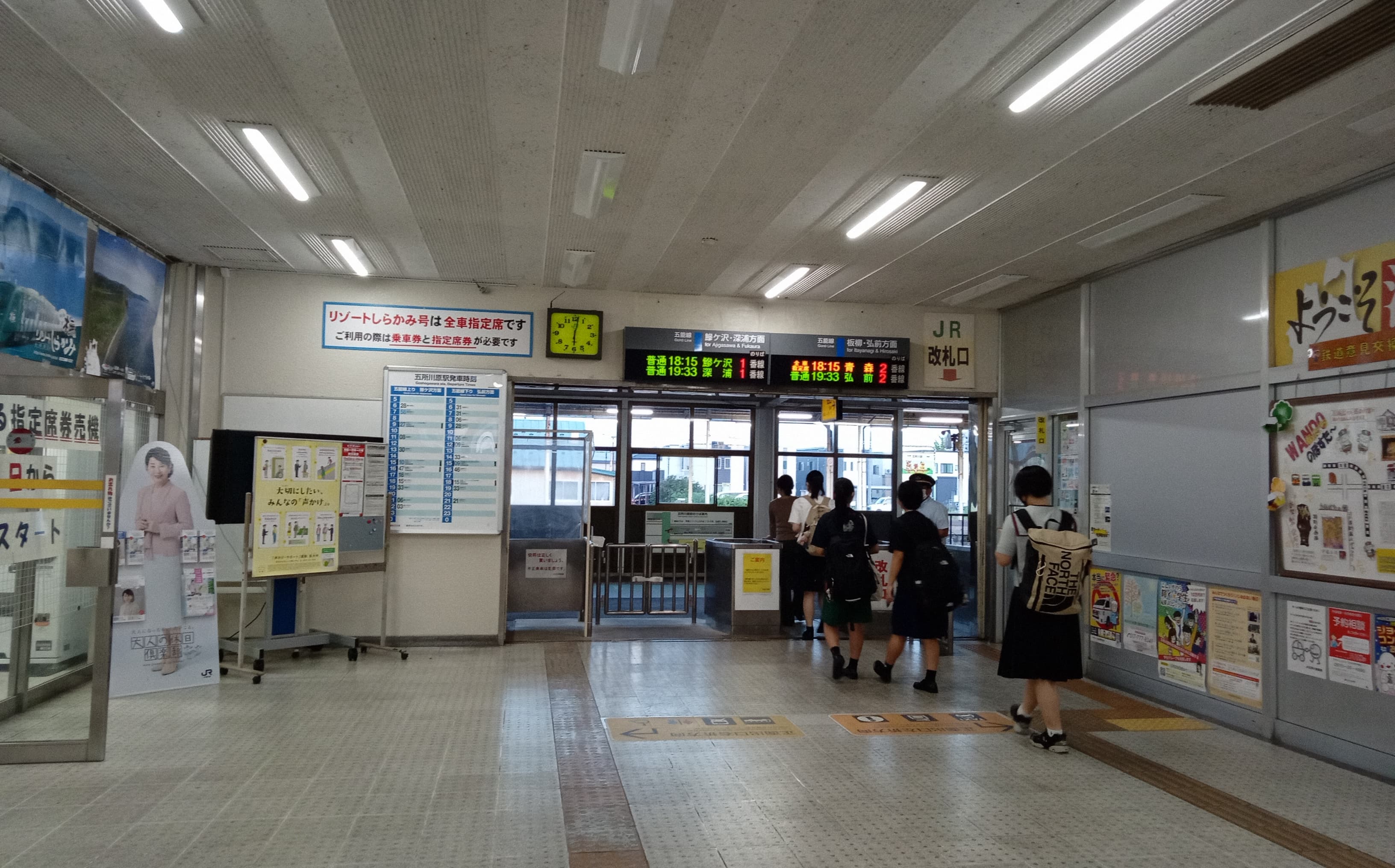
Goshogawara is the transit hub for the region and appears in Tsugaru as a place Dazai passes through, not lingers in. Treat it the same way: it's the practical gateway to Kanagi and Kodomari, with better rail and bus connections than either, and worth knowing as a base rather than a destination in itself.
Stop 3: Kodomari — the woman the whole book was walking toward
Here's who Take was: a servant in the Tsushima household who effectively raised young Dazai while his own mother, in poor health, kept her distance — the warmth in this book, and arguably in Dazai's whole difficult life, traces back to her more than to anyone born into the family. By the time Tsugaru was written, decades had passed since he'd last seen her. The book spends most of its length circling the region, seeing old friends, drinking, stalling — and then Dazai finally gets on a bus to the literal end of the road to find her.
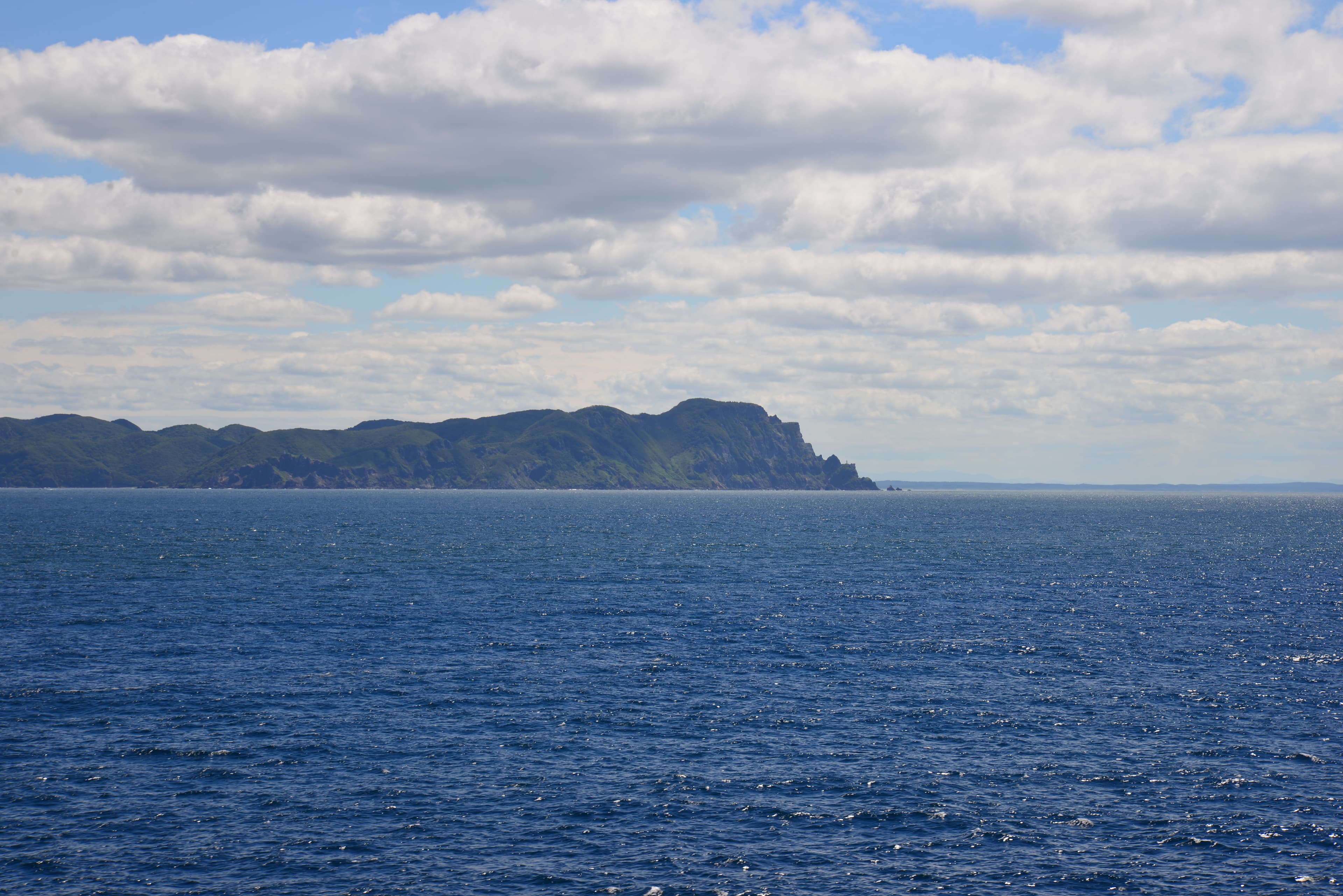
Kodomari is that end of the road: a fishing village on the tip of the Tsugaru Peninsula, facing the strait toward Hokkaido, about as far from the world of landowning families and inherited mansions as this trip gets. When Dazai and Take finally meet again — at, of all places, her son's school sports day, in a crowd, with almost nothing dramatic said out loud — it's the emotional peak of the entire book precisely because of how unshowy it is. Standing on this coastline afterward, with Shayokan's manicured wealth still fresh in your mind from Stop 1, the contrast does real work: two very different homes, and the book is honest about which one actually raised him.
- Getting there: This is a genuinely remote stop — from Goshogawara or Nakadomari, a local bus covers the run to Kodomari on a limited schedule, a handful of departures a day rather than turn-up-and-go. Don't try to stack Kanagi and Kodomari into one day trip from Hirosaki; between transfers and bus frequency, that's how people end up stranded with a three-hour wait. Budget a full day for Kodomari on its own, or overnight in Goshogawara and split the two stops across two days.
- Good to know: There's no dramatic monument waiting for you here — the point of Kodomari is the coastline and the quiet, not a plaque. Read the reunion scene before you go, if you can; it'll do more for the visit than anything posted at the site.
Practical travel notes
- Best time to visit: Late April–May for cherry blossoms, or December–March for the Tsugaru Railway's Stove Train — expect genuinely cold, exposed platforms in winter, not just "atmosphere." Both are worth planning around, for different reasons.
- Base yourself in: Hirosaki or Aomori City for train connections, but don't treat Tsugaru's Dazai sites as a single tidy day trip — Kanagi is a comfortable half-day add-on; Kodomari needs its own day.
- Language: This is rural Japan — English signage is limited outside major stations, so a translation app is useful, especially around Kodomari.
- The book itself: the standard English translation, titled Return to Tsugaru: Travels of a Purple Tramp, is by James Westerhoven, published by Kodansha International — a copyrighted edition, distinct from the Japanese original's public-domain status.
Tabi Tales may earn a commission from hotel, tour, and book links on this page at no extra cost to you. See our affiliate disclosure for details.