Haruki Murakami · Kanto, Tokyo, Kansai, Kyoto
Following Haruki Murakami's Norwegian Wood to Waseda and the Kyoto Mountains: A Literary Travel Guide
Trace Norwegian Wood's real backdrop — the Tokyo campus its narrator almost certainly attends, and the mountain road north of Kyoto that leads toward the sanatorium where Naoko is treated.
Norwegian Wood
Haruki Murakami
Toru Watanabe is looking back on the love and passions of his life and trying to make sense of it all. As his first love, Naoko, sinks deeper and deeper into mental despair, he is inexorably pushed to find new meanings and new love to survive.
There's a scene late in Norwegian Wood where Watanabe climbs alone to his dormitory roof at night, carrying a firefly his roommate handed him in a jar as a goodbye gift. He worries it's already dying, opens the lid, and watches it take a long, faltering time to lift off and vanish into the dark — thinking, the whole time, about Naoko, far away and just as dimmed. It's one of the quietest, saddest images in the book, and some readers have connected it to something real: the fireflies released every summer at a garden a short walk from the dorm where Murakami actually lived as a student. It's tempting to stand in that same garden on a summer evening and feel like you're closer to that rooftop than you really are.
Haruki Murakami's 1987 breakthrough follows Toru Watanabe through a realist, grounded late-1960s Tokyo, a register he returns to more than his reputation for surreal detours might suggest. Its two real backdrops are just as concrete: the Waseda dormitory Murakami lived in himself, and a mountain road north of Kyoto that traces, as far as anyone's confirmed it, the route toward the sanatorium where Naoko is treated.
Treat this as two separate day trips rather than one connected itinerary — Tokyo and Kyoto are hours apart, and the book itself moves between them the same way, in distinct sections rather than a single unbroken journey.
Stop 1: Wakeijuku and Waseda University, Tokyo — where the firefly scene began
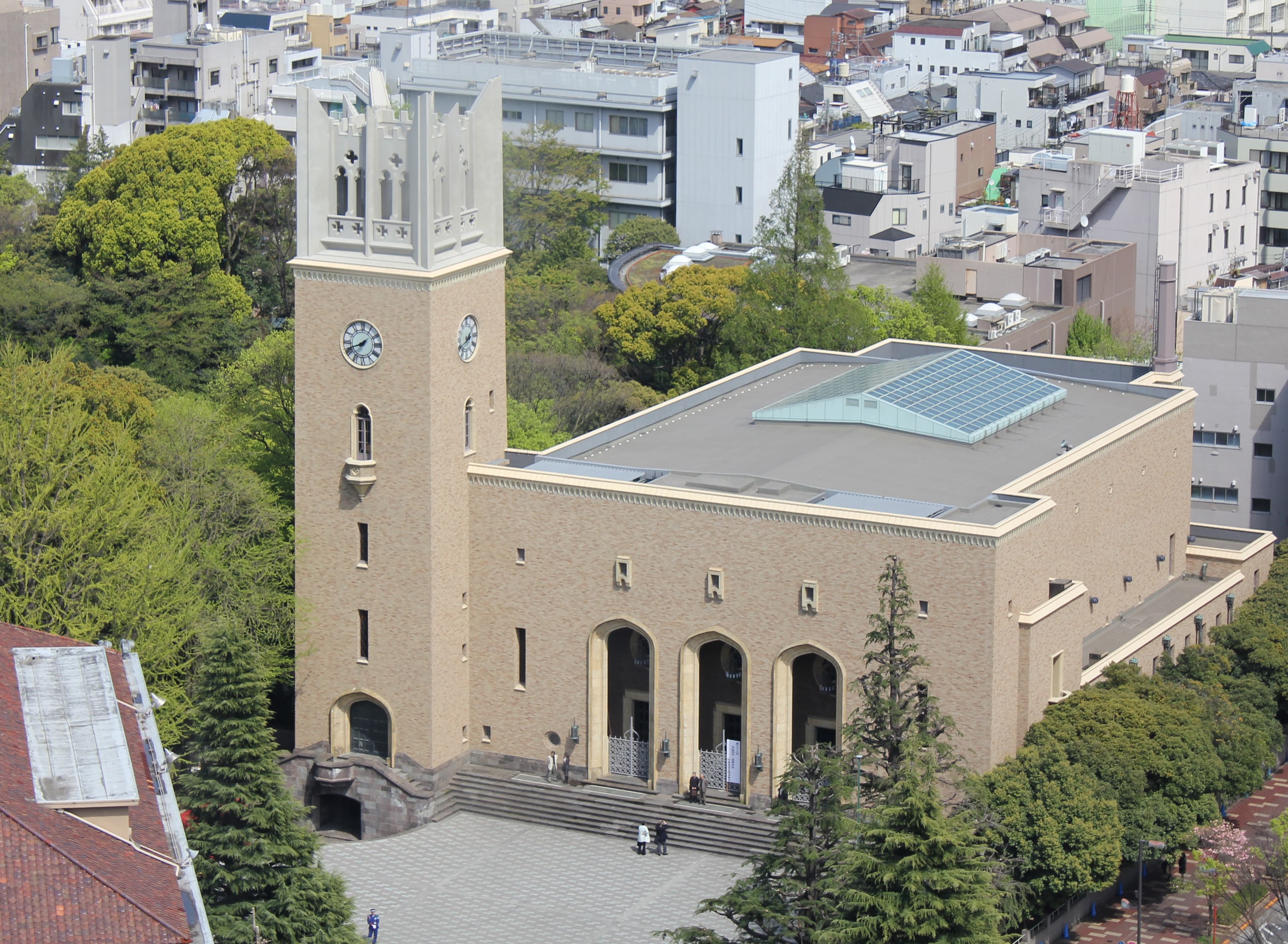
Watanabe's dormitory and his "Storm Trooper" roommate are drawn directly from Wakeijuku, the real all-male dorm in Mejirodai where Murakami lived for about six months in 1968 after moving to Tokyo for Waseda. Its south dormitory still looks close to how it did then — the same kind of narrow hallway and shared room Watanabe complains about and slowly comes to love. Nearby is Munatsuki Hill, a slope Murakami has mentioned in later essays as part of his own walk home from those days, the same stretch of neighborhood Watanabe crosses on foot again and again in the book.
A short walk from there, in the neighboring Sekiguchi area, is Hotel Chinzanso, whose Japanese garden has hosted an annual firefly-viewing evening every early summer since 1954. Nobody can say for certain that this is where the novel's firefly scene came from, but it's the closest thing to a traceable, still-standing source for the book's most-remembered image, and it's tempting to read the two together.
Back on Waseda's main campus, the ivy-covered Building 2 — Watanabe's fictional refuge when he can't sort out his feelings for Naoko and Midori — still stands. It's a quiet building to walk past even without knowing what's inside now, though today it houses a small university museum and library.
- Getting there: Waseda Station (Tokyo Metro Tozai Line) or Takadanobaba Station (JR Yamanote Line, Seibu Shinjuku Line), both a short walk to the main campus; Hotel Chinzanso is closer to Edogawabashi Station (Tokyo Metro Yurakucho Line).
- Good to know: Chinzanso's firefly evenings run mid-May through late June, after dark — check the hotel's own site for the current year's dates, since public tickets are limited and sell out.
Stop 2: North of Kyoto — the road toward Naoko's sanatorium
Naoko is treated at a fictional sanatorium called Ami Hostel (阿美寮) for a breakdown she can only ever describe to Watanabe in fragments. Watanabe's visit to her there is one of the most tender, unresolved passages in the book — a place deep in the mountains, cut off from Tokyo and everything in it, where he can be near her but never quite reach her. He sits across from her, listens to her talk in half-sentences, and leaves without any of it being fixed.
He gets there by a bus from Kyoto's Sanjo that follows the Takano River, a tributary of the Kamo, north out of the city. That much of the route is real and ridable today: the same city bus line still climbs up to Ohara as the streets thin out and the river narrows into something closer to a mountain stream.
Past Ohara is where the novel's own geography turns deliberately vague, and where the confirmed trail runs out. Murakami never names a real building behind Ami Hostel, and it's less a settled literary debate than scattered reader speculation — a monastery hamlet somewhere in Kyoto's northern Kitayama hills comes up most often, though nothing about it is pinned down.
None of these guesses is confirmed, and that feels true to the book rather than a gap in it — Ami Hostel is deliberately unlocatable, the same way Naoko herself stays just out of reach. What's real is the first leg: riding that same bus and watching Kyoto give way to mountains is the closest the novel gets to a place you can actually visit.
- Getting there: From Sanjo or Kyoto Station, Kyoto Bus route 17 (or the seasonal Special 17) runs Ohara-bound, roughly an hour, following the Takano River north — this is as far as public transit goes. Reaching any of the further candidate sites beyond Ohara means a car, rough roads, and no guarantee of finding anything once you get there.
- Good to know: This is a scenic ride more than a pinpoint destination — there's no marked "Ami Hostel" site to visit at Ohara or beyond. Go for the landscape described in the book (mountain road, river, isolation) rather than expecting a specific building.
Practical travel notes
- Best time to visit: Waseda and Chinzanso year-round, though the firefly evenings only run mid-May to late June; the Kyoto mountain route is best avoided in heavy winter snow.
- Base yourself in: central Tokyo for Waseda and Chinzanso; Kyoto city for the Ohara bus ride.
- The book itself: the standard English translation is Jay Rubin's, published by Vintage International.
Tabi Tales may earn a commission from hotel, tour, and book links on this page at no extra cost to you. See our affiliate disclosure for details.