Natsume Soseki · Kanto, Chubu, Tokyo, Aichi
Following Natsume Soseki's I Am a Cat from Tokyo to Aichi: A Literary Travel Guide
Trace the real house, neighborhood, and even the actual cat's grave behind Natsume Soseki's I Am a Cat — from a quiet Tokyo backstreet to a relocated Meiji-era house 300km away in Aichi Prefecture.
Soseki Natsume's I Am A Cat: The Manga Edition
Soseki Natsume
Japan's beloved literary masterpiece brought to life in manga form! Soseki Natsume's comic masterpiece, I Am a Cat, satirizes the foolishness of upper-middle-class Japanese society in early 20th century Tokyo. Written with biting wit and sardonic perspective, it follows the whimsical adventures of a rather cynical stray kitten. He finds his way into the home of an English teacher, where his running commentary on the follies and foibles of the people around him has been making readers laugh for more than a century. This is the very first manga edition in English of this classic piece of Japanese literature. The story lends itself well to a graphic novel format, allowing readers to pick up on the more subtle cues of the expressive cat, while also being immersed in the world of his perceptive narration. It is true to classic manga form, and is read back to front. Beautifully illustrated by Japanese artist Chiroru Kobato, this edition provides a visual, entertaining look at a unique period in Japan's history—filled with cultural and societal changes, rapid modernization and a feeling of limitless possibility—through the eyes of an unlikely narrator.
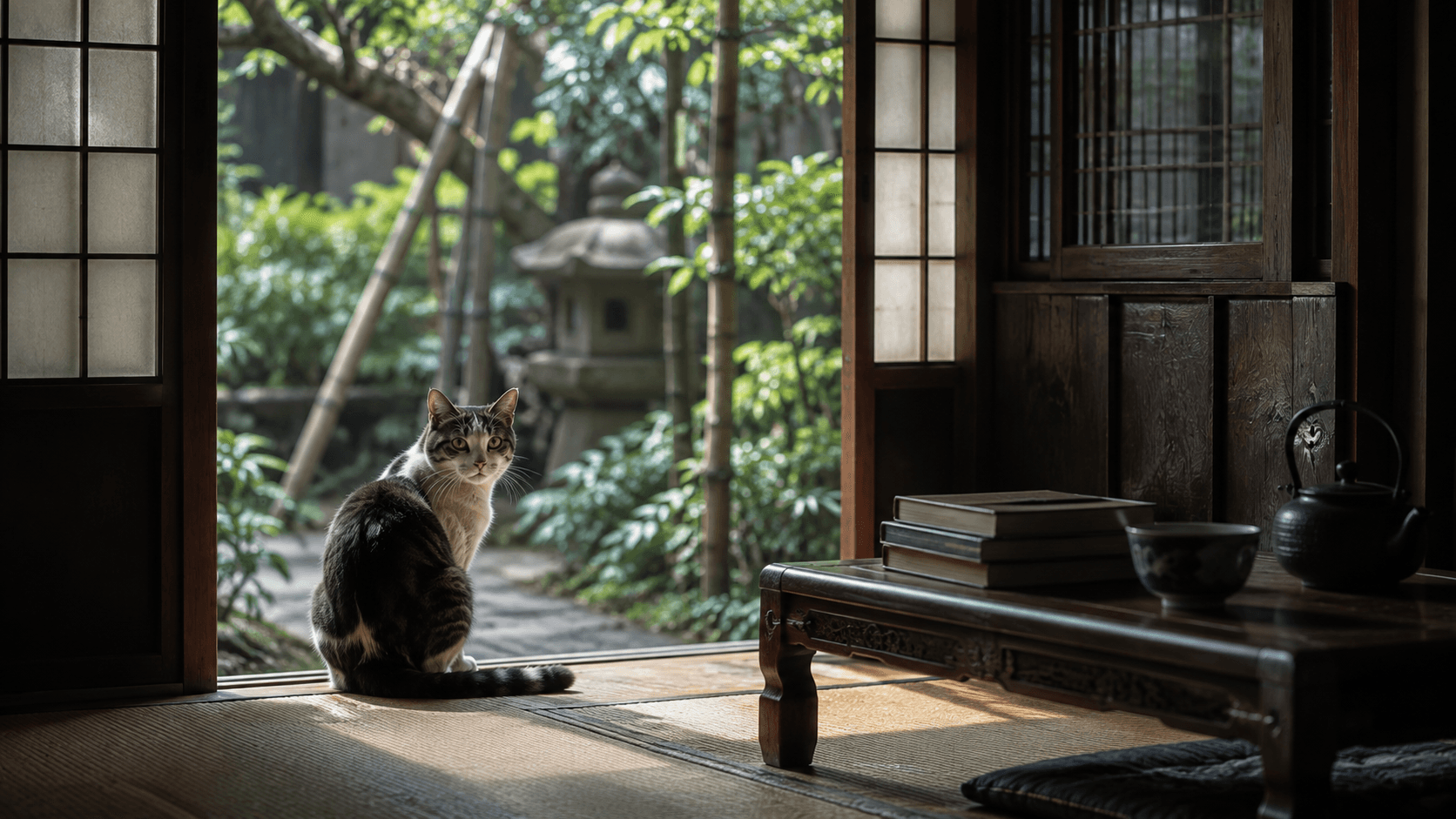
A cat pushes its way into a house that doesn't want it, gets shooed out more than once by the lady of the household, and stays anyway. That's the opening of I Am a Cat — and it's also, nearly beat for beat, what actually happened to Natsume Soseki. In 1904, a stray kitten talked its way into his rented house in Tokyo's Sendagi neighborhood and simply never left.
The novel that grew out of that small domestic standoff (吾輩は猫である, serialized 1905–06) is narrated start to finish by that same unnamed housecat, watching its owner — a bad-tempered English teacher closely modeled on Soseki himself — argue philosophy with the friends who drop by his sitting room. It's one of modern Japan's strangest and funniest books. It's also, oddly, true in a way most novels aren't: the cat lived on for a few more years after the story made it famous, and when it finally died, the household gave it a real burial. That grave still exists — it's where this trip eventually leads.
This guide follows the cat's real ground: the Tokyo backstreet where it all started, the quiet grave where the story turns out to be nonfiction, and, much further afield, the actual house it first wandered into.
Stop 1: The former Soseki residence site, Sendagi/Nezu, Tokyo — "the Cat's House"
The house where Soseki lived from 1903 to 1906 — where the real cat, and then the novel, both arrived — no longer stands on its original site. It was moved decades later (see Stop 3).
What's left at Mukogaoka 2-20-7 in Bunkyo Ward is a stone monument, said to carry an inscription in novelist Yasunari Kawabata's own hand, put up by a group of Soseki admirers along with an explanatory plaque and a couple of small cat statues.
It's a quiet residential backstreet, not a formal park — no ticket booth, no gift shop, just a stone marker tucked among houses. But it's the actual ground the novel came from, and there's something fitting in how ordinary it looks, for a novel narrated by a cat.
- Getting there: About a 10-minute walk from Sendagi Station (Tokyo Metro Chiyoda Line), or 8 minutes from Hon-Komagome Station (Namboku Line).
- Good to know: There's no building left to tour — this is a five-minute stop for readers who want to stand on the actual spot, best combined with a wider walk through the surrounding Nezu/Sendagi backstreets, with their narrow lanes and old wooden storefronts.
Stop 2: Soseki Sanbo Kinenkan and the cat's real grave, Waseda, Tokyo
Soseki moved from Sendagi to a house in Waseda in 1907, where he lived until his death in 1916, writing most of his later major novels there. That's later than I Am a Cat itself — but the site holds something the Sendagi stop doesn't: the actual grave of the cat that started it all.
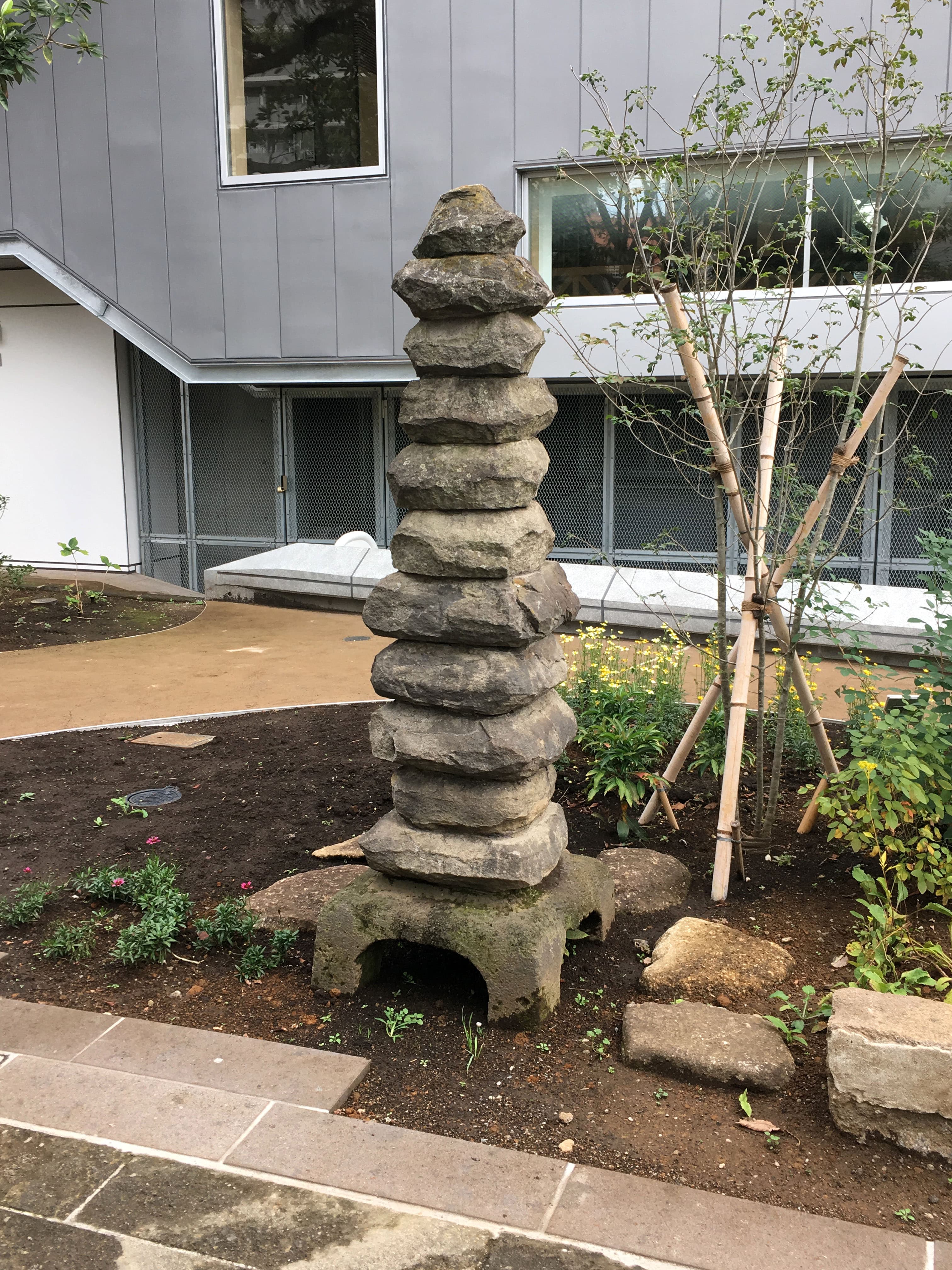
The cat died in September 1908, not long after the novel had made it famous. The Soseki household buried it properly, with a small memorial marker in the garden — not a metaphor, an actual pet's actual funeral.
That original marker didn't survive the war. It was destroyed in the air raids and rebuilt afterward, in the 1950s, as the stone that stands there now — small and unassuming among the trees, easy to walk past if you didn't know to look for it.
A family's actual grief over an actual pet, preserved for well over a century because that pet happened to narrate a novel.
Stand there for a minute and it's a strange thing to feel moved by: a cat grave, kept and rebuilt across more than a hundred years, for a pet whose only claim to fame is that it once wandered into the right house. That's what makes it one of the most moving stops on this whole trip.
The Neko-zuka ("Cat's Grave") stands today in Soseki Park, next to the Shinjuku City Soseki Museum (新宿区立漱石山房記念館), which opened on the house site in 2017 with a free permanent exhibit on his life and work.
- Getting there: About a 10-minute walk from Waseda Station (Tokyo Metro Tozai Line), Exit 1.
- Good to know: The museum is closed Mondays (or the next weekday, if Monday is a holiday); the permanent exhibit is free, with a small charge for special exhibitions. The park and Neko-zuka are outdoors and freely accessible during park hours.
Stop 3: Meiji Mura, Inuyama, Aichi Prefecture — the actual house
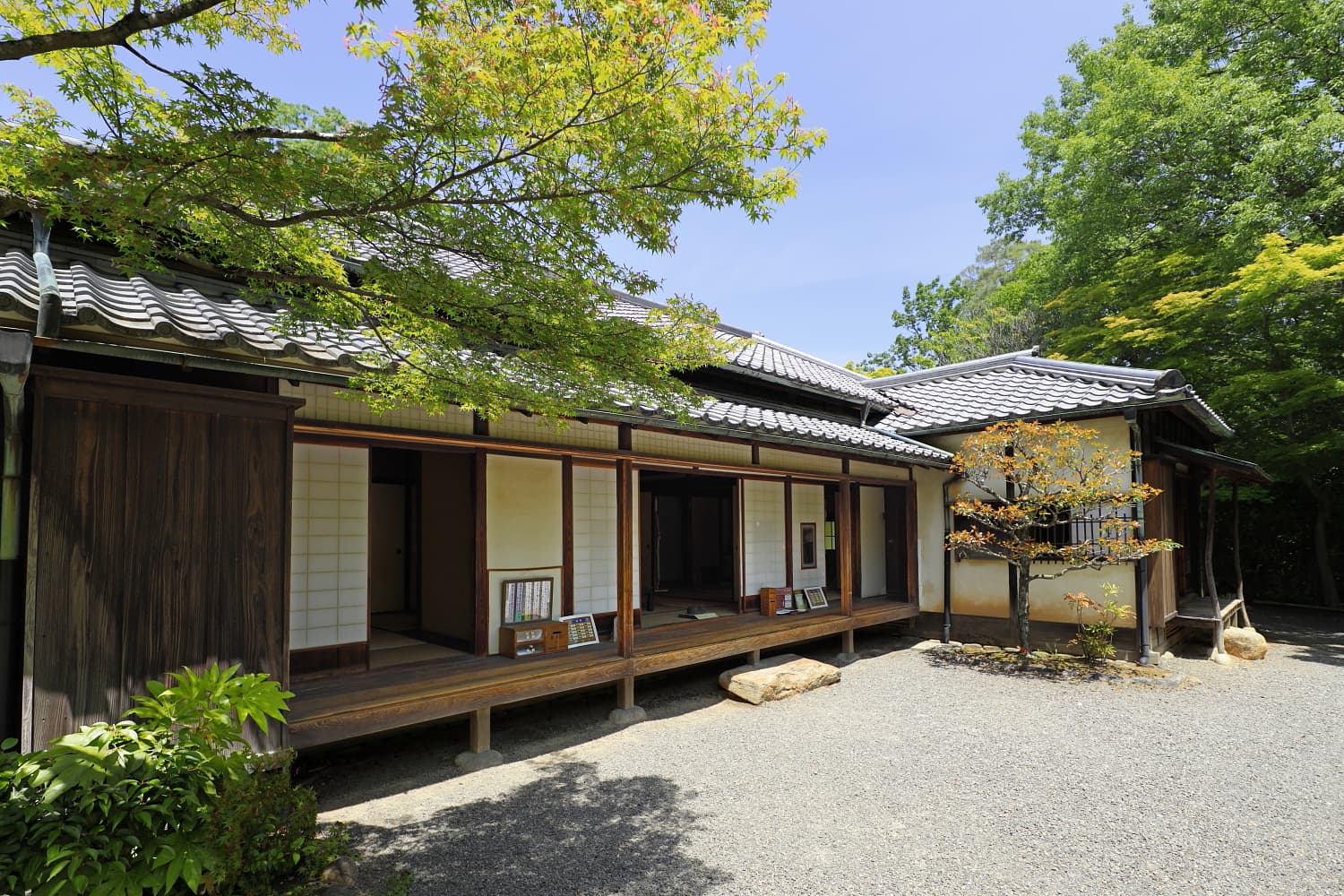
For readers willing to go further, this is the single most substantial artifact connected to the novel anywhere in Japan: the real Sendagi house itself, relocated decades later to Meiji Mura, an open-air museum of preserved Meiji-era architecture outside Nagoya.
Novelist Mori Ogai lived in the same house briefly before Soseki did, which is why it's officially preserved under the joint name "Mori Ogai and Natsume Soseki Residence."
Inside is Soseki's study, with his desk, writing implements, and hibachi on display in the room, moved intact, where I Am a Cat was actually written — along with Botchan and Kusamakura, both covered elsewhere in this series. Worth knowing before you go: the furnishings themselves are a curated reconstruction, arranged to evoke the study rather than preserved exactly as Soseki left it, so you're standing in the real room, looking at a staged version of what was on the desk.
- Getting there: From Nagoya, the private Meitetsu railway runs a limited express to Inuyama Station in under half an hour, then a local bus from the station covers the rest of the way to the museum entrance — allow a bit under an hour door to door, and check current bus frequency before you plan your day, since it isn't a turn-up-and-go service. Direct highway buses also run from central Nagoya.
- Good to know: This is a full museum, not a quick stop — admission runs a few thousand yen for adults, and hours shift seasonally, so check current times before planning your day around it. Budget at least half a day for Meiji Mura as a whole; the Soseki house is one of dozens of relocated Meiji-era buildings on the grounds.
Practical travel notes
- Best time to visit: Any season works for the Tokyo stops. Meiji Mura is outdoors and spread across a hillside, so spring and autumn are more comfortable than midsummer.
- Base yourself in: Tokyo for Stops 1–2; if you're adding Meiji Mura, it's an easy day trip from central Nagoya rather than somewhere to stay overnight.
- Language: The Soseki Museum and Meiji Mura are both well set up for international visitors, with English signage throughout. The Sendagi monument is a small neighborhood marker rather than a tourist site, so its plaque may be Japanese-only — a translation app is worth having on hand there.
Tabi Tales may earn a commission from hotel, tour, and book links on this page at no extra cost to you. See our affiliate disclosure for details.