Natsume Soseki · Kanto, Tokyo, Kanagawa
Following Natsume Soseki's Kokoro to Kamakura and Tokyo: A Literary Travel Guide
Trace the real beach where Kokoro's narrator meets Sensei and the Tokyo cemetery where the novel's saddest chapters play out — the same cemetery where Natsume Soseki himself is buried.
Kokoro
Natsume Soseki
The great Japanese author’s most famous novel, in its first new English translation in half a century No collection of Japanese literature is complete without Natsume Soseki's Kokoro, his most famous novel and the last he completed before his death. Published here in the first new translation in more than fifty years, Kokoro—meaning "heart"—is the story of a subtle and poignant friendship between two unnamed characters, a young man and an enigmatic elder whom he calls "Sensei." Haunted by tragic secrets that have cast a long shadow over his life, Sensei slowly opens up to his young disciple, confessing indiscretions from his own student days that have left him reeling with guilt, and revealing, in the seemingly unbridgeable chasm between his moral anguish and his student's struggle to understand it, the profound cultural shift from one generation to the next that characterized Japan in the early twentieth century.
A young man notices an older stranger standing apart on a crowded summer beach — no reason to look twice, except something about him makes the narrator look anyway. That's how Kokoro (こころ, "The Heart," 1914) begins, and it's a small moment for something that ends up costing so much. The older man, called only "Sensei," slowly reveals himself over the course of the novel as someone carrying a private guilt from his own youth, a betrayal he's never told anyone about. By the book's final movement — a long confessional letter Sensei writes before taking his own life, disclosing everything — that guilt has quietly become the whole novel.
Kokoro is Soseki's best-known novel in Japan and often the first one assigned in Japanese high schools. It's built in three parts — "Sensei and I," "My Parents and I," and "Sensei and His Testament" — and that last section, Sensei's testament, is where nearly everything you'll feel on this trip actually comes from. The beach where the narrator first sees Sensei is real. So, unusually, is the cemetery where the novel's saddest chapter plays out — and it's also where Soseki himself is buried.
Stop 1: Yuigahama Beach, Kamakura — where the narrator meets Sensei
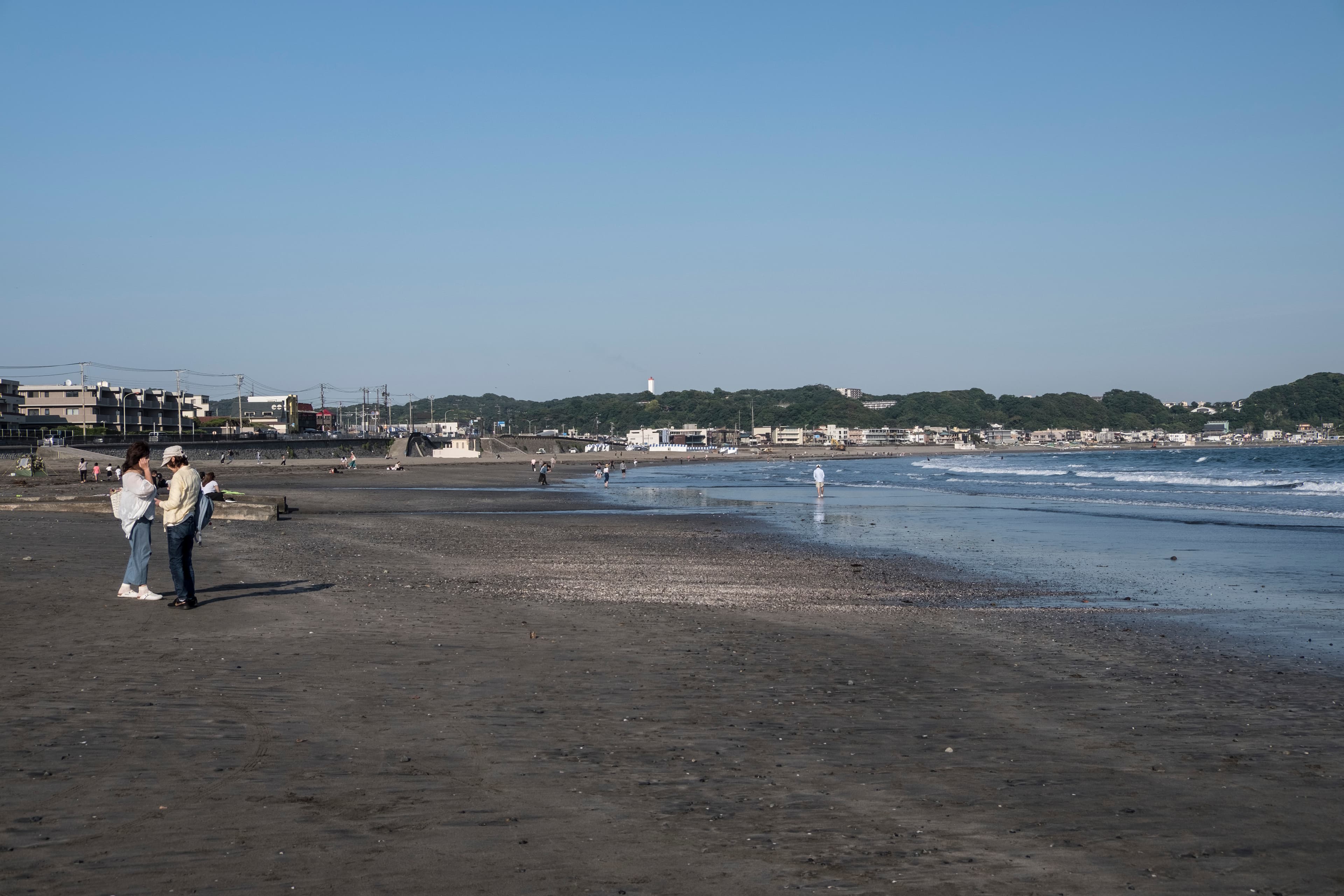
The novel opens with the narrator, on summer vacation, swimming at a crowded beach in Kamakura, where he first notices Sensei standing apart from everyone else. The text itself never names the beach, but most readers and guides place the scene at Yuigahama, the main swimming beach in town; a short stretch of coast to the east, Zaimokuza, is sometimes mentioned too, and honestly the two beaches sit close enough together that it barely matters which sand you stand on.
- Getting there: Enoshima Electric Railway ("Enoden") to Yuigahama Station, a short walk to the sand. From Kamakura Station, it's one stop on the Enoden or a walk of around 15–20 minutes.
- Good to know: Kamakura is a popular day trip from Tokyo on its own merits, so pair this stop with the temples and shrines the city is already known for rather than treating it as a single-purpose literary errand.
Stop 2: Zoshigaya Cemetery, Tokyo — where the novel and Soseki's real life converge

Later in the novel, in the long confessional letter that makes up its final section, Sensei admits to a habit he's never explained to anyone: once a month, without fail, he walks to a grave in Zoshigaya and stands there a while. It belongs to K, the friend whose death he caused and has spent the rest of his life unable to speak about. The visit is private and wordless, and it's the closest thing the novel gives us to Sensei's actual inner life.
Here's the part that stops most readers cold: Natsume Soseki is buried in this same cemetery. Not a nearby one, not a fictional stand-in — this exact ground, a short walk from where Sensei's own monthly grief-walk supposedly ends. Look for an unusually tall grave marker shaped almost like an armchair, reportedly a form Soseki favored himself. It's an odd, faintly domestic shape to find among rows of ordinary stone, and once you know why the guide brought you here, it's hard to walk past it without stopping.
Soseki's own young daughter died years before he wrote Kokoro, and his diary from that period records him visiting her grave at this same cemetery. Biographers have long pointed to those entries as a likely source for the mood and language of Sensei's cemetery visits in the novel — a writer folding his own grief into a character's. Fiction and the author's real life converge on the same patch of ground here, which is rare enough that it's worth standing there a while before you move on.
- Getting there: The Toden-Zoshigaya stop on the Tokyo Sakura Tram (Arakawa Line) is closest, a couple of minutes' walk. Zoshigaya Station (Fukutoshin Line) and Higashi-Ikebukuro Station (Yurakucho Line) are both within about 10 minutes on foot.
- Good to know: The cemetery is large and quiet, with several other notable graves if you wander, including Lafcadio Hearn and novelist Kyoka Izumi. A cemetery map near the entrance makes finding Soseki's grave straightforward.
Stop 3: Koishikawa, Tokyo — Sensei's inferred neighborhood
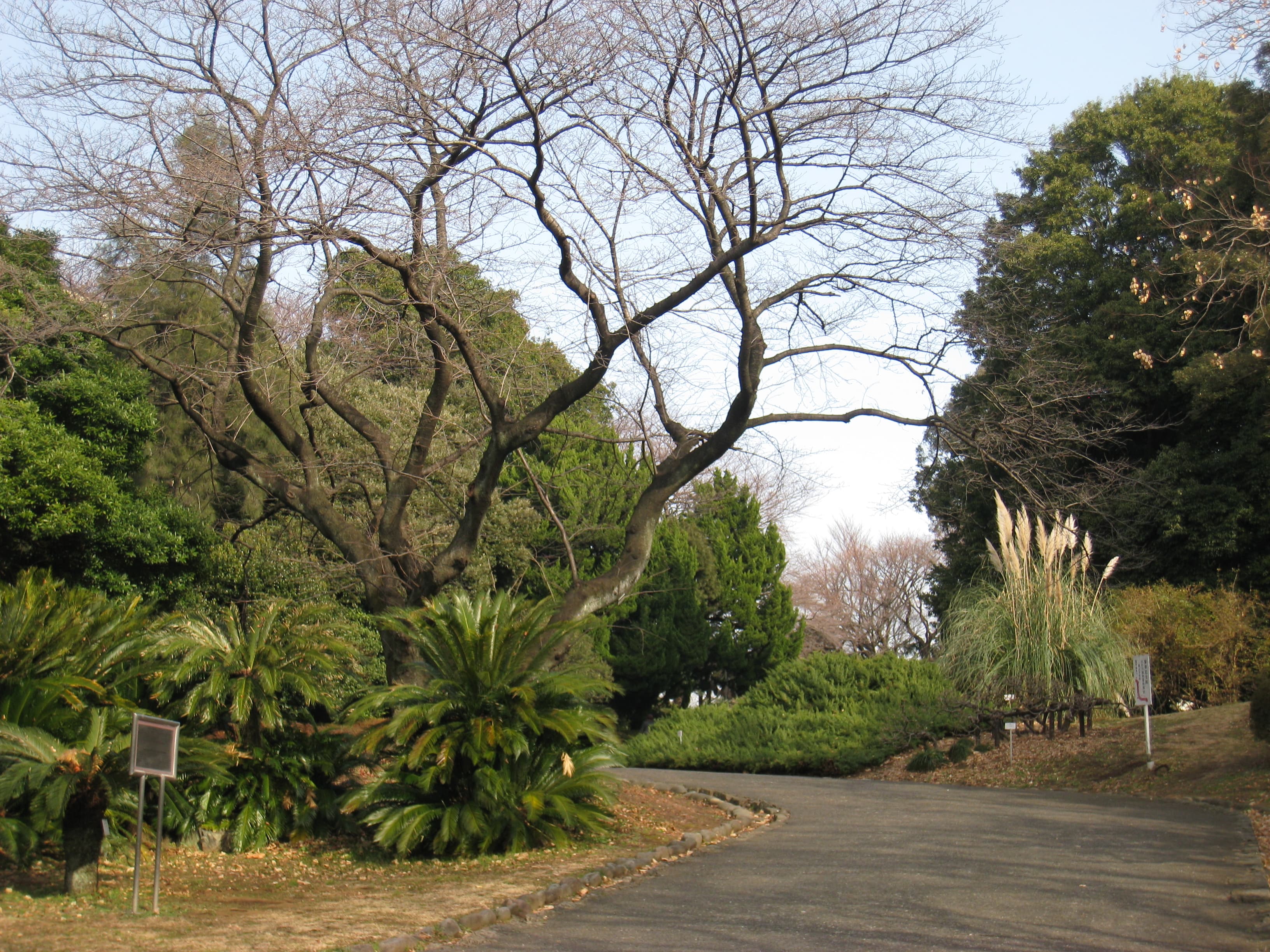
The novel never names Sensei's neighborhood outright, but in-text walking routes — past Denzu-in Temple, around the edge of a botanical garden, toward Tomisaka — have led readers to place his house in Koishikawa, in present-day Bunkyo Ward. That botanical garden is real and open to the public: the Koishikawa Botanical Garden, run by the University of Tokyo, is a genuinely pleasant place to walk regardless of the literary connection.
- Getting there: About a 10-minute walk from Myogadani Station (Marunouchi Line) or Hakusan Station (Toei Mita Line).
- Good to know: This stop is inference, not a stated location in the text — treat it as a bonus for readers who want to keep walking Sensei's Tokyo rather than a must-see.
Practical travel notes
- Best time to visit: Kamakura gets crowded on summer weekends, when the beach itself is in full swing; a weekday visit, or an off-season one focused on the temples and Zoshigaya, is quieter.
- Base yourself in: Tokyo, with Kamakura as a day trip — the JR Yokosuka Line runs direct from Tokyo Station, no transfer, in under an hour. Standard IC cards (Suica/Pasmo) work at every station in this guide.
- The book itself: Meredith McKinney's translation, published by Penguin Classics, is the most commonly recommended English edition today; the older Edwin McClellan translation is also still widely used, especially in university courses.
Tabi Tales may earn a commission from hotel, tour, and book links on this page at no extra cost to you. See our affiliate disclosure for details.